Exploring Black and Purple Tapestry in Fashion
Intro
In the ever-evolving landscape of fashion, the introduction of unique patterns or fabrics can serve as a tale of both aesthetics and functionality. Black and purple tapestry exemplifies this, intertwining rich visual styles with versatile usage that transcends traditional boundaries. These colors are not just hues; they hold cultural significance, embodying depth, luxury, and elegance. As we dive into this subject, we will analyze how this specific tapestry influences contemporary fashion, serves multiple purposes, and maintains sustainability amid rising consciousness towards eco-friendly practices.
Fashion Trends
Current Seasonal Trends
As seasons change, so do the colors that dominate fashion runways, and black and purple tapestry has brought itself into the spotlight. Designers are increasingly using these tones, drawing the eye to striking contrasts and textures within garments. This tapestry is popping up in various collections, often used in evening gowns, tailored blazers, and even casual wear. The versatility of black and purple lends itself well to unique pairings, making it easier to highlight an outfit's character or mood.
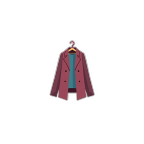
A key aspect to consider is how this color combination can transform seasonal staples into statement pieces. For instance, a black tapestry coat lined with purple can revive a classic look for chilly autumn nights, mixing tradition with modern flair.
Influential Fashion Icons
When we think about style, certain figures come to mind who redefine trends, making them accessible to the everyday fashionista. Icons like Zendaya and Billy Porter have embraced the boldness of black and purple in their attire. Their choices reflect a daring spirit that encourages others to experiment with these colors without fear.
It's essential to keep an eye on social media platforms where many of these influencers share their looks. Check out threads on platforms like Reddit or visualize styles via Pinterest boards to draw inspiration. These figures show that tapestry does not conform to a particular age or gender; it’s all about how one styles it.
Styling Tips
Outfits for Different Occasions
Navigating through different events can be challenging, but the black and purple tapestry can easily adjust to fit any scenario. For formal gatherings, a tailored dress in rich tapestry fabric can be paired with minimalist accessories. This keeps the focus on the garment itself, allowing its intricate patterns and colors to shine through.
For a more casual outing, a black and purple tapestry scarf can elevate a simple jeans-and-shirt combo, adding an element of sophistication without overwhelming the look.
Mix and Match Techniques
When it comes to styling, mixing and matching can open up unlimited possibilities. Pairing a black tapestry bag with a purple dress can create a sharp look that is delightful to the eye. On the other hand, combining a simple black top with a patterned purple tapestry skirt can add dynamic movement to the outfit. Remember that balance is key—when one element stands out, the other can be more subdued.
Here are a few mixing techniques:
- Layering: Ensure that layers, such as jackets or cardigans, complement rather than clash with the tapestry.
- Accessories: Utilize subtle jewelry or shoes to avoid overwhelming the visual narrative.
- Textures: Mix different fabrics wisely—pair tapestry with silk or leather for a chic contrast.
"Fashion often speaks the loudest through the choices we make, so embracing unique textiles like black and purple tapestry offers a chance to tell a personal story."
This showcase of trends, influenced by fashion icons, along with practical styling guidance emphasizes the role black and purple tapestry can play in an individual's wardrobe. By understanding the significance behind these colors and their versatility, anyone can cultivate a style that reflects their identity while being environmentally conscious.
Intro to Tapestry in Fashion
Tapestry has long been a significant element in the artistic and practical realms of textiles. Its presence in fashion symbolizes a unique blend of aesthetics and functionality, making it a fascinating subject to explore. A carefully woven tapestry can tell stories, evoke emotions, and offer a perspective onto diverse cultures through its intricate patterns and vibrant colors. The importance of tapestry in fashion extends beyond mere decoration; it is also about how fabric can serve purpose and meaning.
In the contemporary fashion landscape, black and purple tapestry has gained traction for its ability to create striking, memorable statements. These colors not only captivate the eye but also carry rich symbolism that resonates with various audiences. Many fashion designers incorporate these hues to lend an air of sophistication and intrigue to their collections. Through this article, we will delve into those elements and benefits of tapestry, and explain how they can be utilized effectively to enhance one's wardrobe and home decor.
The Historical Context of Tapestry
Understanding the historical context of tapestry provides insight into its evolution and importance in fashion. Tapestries date back to ancient civilizations, including the Egyptians and Greeks, who crafted exquisite woven art for both practical and ceremonial uses. Common themes often revolved around mythology, nature, and daily life, creating a rich tapestry of storytelling that transcends time.
During the Middle Ages, tapestry became an essential part of European culture. The wealthy commissioned tapestries to adorn their walls and show off their social status. Noteworthy examples include the exquisite Gobelins and Brussels tapestries, which featured elaborate designs and finely woven details, showcasing the handiwork of skilled artisans. Tapestries were not just luxurious decorations; they also provided insulation in stone-built homes.
Fast forward to the Renaissance, and the art of tapestry weaving transformed significantly, with artists like Raphael contributing their designs to be transformed into elaborate woven works of art. However, as industrialization took hold, the craftsmanship decreased, leading to a loss of quality in some cases. Today's tapestry artists often strive to revive traditional weaving techniques, paying homage to history while embracing modern influences that breathe new life into this ancient art form.
Modern Interpretations of Tapestry
In contemporary fashion, tapestry finds itself reinterpreted in numerous ways. Designers have begun to utilize tapestry not only as a fabric choice but also as an inspiring element in their visual narratives. From high fashion to streetwear, tapestry patterns emerge in various garments—dresses, jackets, bags, and scarves.
What sets the modern tapestry apart from its historical predecessors is the blending of various styles, cultures, and techniques. Emerging designers often create innovative designs that combine traditional motifs with modern twists, enabling a refreshing dialogue between the past and the present. Consider the rise of digital printing technology, which allows for incredibly intricate designs and colors that resonate with today's fashion enthusiasts.
Mistakenly viewed as outdated by some, tapestry has been pivotal in the revival of artisan craftsmanship, proving that timeless techniques can coexist within fashion's forward momentum. Brands focusing on sustainability have also found ways to incorporate tapestry, using eco-friendly materials and ethical labor practices while retaining the artistry of the final product.
The versatility of tapestry in fashion offers endless opportunities for creative expression. It allows designers to push boundaries, explore unconventional combinations, and ultimately deliver pieces that celebrate individuality.
The Color Palette: Black and Purple
The color palette of black and purple holds a significant place in the tapestry of fashion. These two colors, when woven together, create a rich narrative that resonates with many aspects of culture and history. The dark elegance of black coupled with the mystical allure of purple forms a striking visual that not only captivates the eye but also evokes a tapestry of emotions and associations. Here, we will explore how the aesthetic qualities and symbolic meanings of these colors influence fashion choices and interior designs alike.
Symbolism of Black and Purple

Black has long been associated with sophistication and power. Its deep tones signify authority, offering a canvas that is both versatile and bold. When you think of a classic little black dress, you think of an ensemble that can transition from a casual gathering to an upscale event seamlessly. Purple, on the other hand, is imbued with connotations of royalty, spirituality, and creativity. The color historically stems from its association with wealth; in ancient times, only the most affluent could afford garments dyed in purple hues due to the labor-intensive extraction of dye from specific mollusks. Together, these colors represent a duality of seriousness and creativity, sophistication and whimsy.
- Cultural Context: In various cultures, black signifies mourning and loss, but it can also reflect strength and resilience. Purple may signify valor or enlightenment in different traditions. This interplay makes the combination particularly rich in context.
- Fashion Implications: Designers leverage this symbolism to evoke specific feelings in their audience. A purple tapestry can bring an air of mystique to an outfit, while black maintains the elegance needed for a more serious tone.
"Color is the keyboard, the eyes are the harmonies, the soul is the piano with many strings." – Wassily Kandinsky
Impact of Colors on Mood and Perception
Color psychology suggests that different shades trigger various emotional responses. Black can evoke a sense of security or intimidation, depending on the context, while purple often leads to feelings of calmness and creativity. When woven into tapestry, these colors harness these traits, greatly impacting the viewer’s perception.
- Calming Effects: Purple has been shown to produce a calming effect on the psyche, often used in spaces where one seeks relaxation. In fashion, when purple is incorporated into garments, it helps to project an image of serenity and balance, making it desirable for everyday wear.
- Strength and Confidence: Black, conversely, can enhance feelings of confidence. In many professional settings, a black attire can lead to an increase in self-assurance, making individuals feel more empowered.
In fashion, this color palette not only serves aesthetic purposes but facilitates emotional connections as well. From cozy, inviting interiors to commanding fashion statements, the importance of black and purple extends beyond mere choice; it lives at the intersection of feeling and style. Designers and consumers alike would do well to ponder the implications these colors bear on mood, self-expression, and even societal perceptions.
Design Elements of Black and Purple Tapestry
In the realm of fashion, the design elements of black and purple tapestry carry immense significance. These elements are not just about aesthetics; they represent a melding of color, pattern, texture, and technique that can profoundly influence the visual and emotional appeal of garments and accessories. Fashion designers and artisans often look to the impactful interplay of these design aspects to create pieces that evoke specific moods or convey unique stories. When styled effectively, black and purple tapestry can transform an ordinary outfit into a statement of elegance and depth.
Patterns and Textures in Tapestry
Patterns and textures are crucial in defining the character of tapestry. With black and purple as the predominant colors, they create a rich canvas for various motifs. For instance, geometric designs often bring a contemporary flair, while classical floral patterns can evoke a sense of nostalgia. Textures, on the other hand, add dimensionality and can influence the tactile experience of a piece.
Take lace patterns set against a deep purple background, for example. They can introduce an airy quality, which contrasts interestingly with bold black elements. Textures derived from weaving techniques, such as jacquard or tapestry weave, also communicate luxury, inviting touch and interaction from the observer. The choice of yarn can further influence the finish; matte finishes can give a more understated effect, while glossy threads might shimmer under light, playing up the drama of an outfit.
Here are some considerations to keep in mind when selecting patterns and textures in black and purple tapestry:
- Cohesion with the intended style: Ensure that the patterns align with the overall aesthetic of the collection or piece.
- Contrast and balance: Consider using bold patterns against simpler textures for a balanced look. This creates focal points without overwhelming.
- Cultural relevance: Certain patterns resonate differently across cultures. A deep understanding can enhance story-telling within a collection.
"Patterns are the language of tapestry, conveying more than just design; they tell stories and express individuality."
The Role of Weaving Techniques
Weaving techniques dictate not only the visual outcome of a tapestry but also its practical functionality. Techniques such as hand weaving, digital weaving, or machine knitting bring various benefits and aesthetics to the table. Hand weaving, for instance, can introduce an artisanal quality that appeals to those who value craftsmanship. The irregularities found in handwoven tapestries often add a unique charm, making each piece one-of-a-kind.
Machine weaving, however, can offer precision and consistency. It can produce intricate designs with less time, which suits commercial needs. Advances in technology have allowed for digital printing on fabrics that replicate complicated tapestry designs without needing traditional weaving processes. This opens up new avenues for creativity and lowers costs when producing larger runs.
Key points about weaving techniques include:
- Durability: Certain techniques are better suited for garments that require long-lasting wear, depending on fabric choices.
- Cost-effectiveness: Understanding the balance between handmade versus machine-made can impact production budgets and pricing.
- Sustainability: Selecting techniques that uphold eco-friendly practices ensures that the tapestry doesn’t just serve style but also social responsibility.
In essence, the design elements of black and purple tapestry encompass a rich tapestry of intricate patterns, varied textures, and innovative weaving techniques. Each aspect plays a significant role in how the fabric is perceived, worn, and cherished.
Fashion Integration: How to Style
Fashion is not just about clothes; it's a means of expression. The integration of black and purple tapestry into wardrobe choices serves a dual purpose: it enriches aesthetic appeal and relies on functionality. This blend can elevate an outfit from ordinary to extraordinary, providing that unique flair that catches the eye and sparks conversations. As interest in sustainable fashion grows, tapestry pieces offer a wonderful opportunity to incorporate artistry and craftsmanship while also supporting ethical practices. Understanding how to effectively style these pieces is crucial for anyone looking to embrace this trend.
Incorporating Tapestry in Wardrobe Choices
When it comes to adding tapestry to your wardrobe, the first step is deciding how prominently you want the fabric to feature in your look. Black and purple tapestry can act as a statement piece, making it the focal point of an outfit. Here are some ways to effectively incorporate this striking fabric:
- Statement Jackets: A beautifully woven tapestry jacket can effortlessly elevate a basic ensemble. Pair it with neutral bases—think a white tee or black jeans—to make the tapestry pop.
- Accessories: If you're hesitant about going all in, start small. A tapestry bag or scarf can introduce the colors into your outfit without overwhelming it. It's a simple addition that still has a big impact.
- Mix and Match: Pair tapestry items with different textures. Tapered trousers paired with a tapestry blouse can create an eye-catching contrast while displaying creativity in your style choices.
Consider your silhouette and body shape. While flowing tapestry skirts might suit some, structured pieces may resonate better with others. Finding the right fit and style is vital for confidence and comfort, ensuring you wear the design rather than letting it wear you.
Layering Techniques for Maximum Impact
Once you've made the leap into tapestry, mastering layering techniques becomes essential to maximize its impact. Layering isn't merely about warmth; it helps create depth and visual intrigue. Here are a few strategies to keep in mind:
- Textured Layers: Start with a base layer, such as a fitted top, then add tapestry pieces on top. This contrasts smooth fabrics with rich textures, creating a visually compelling ensemble.
- Color Coordination: Utilize the color palette to your advantage. Layering a black tapestry piece over a purple base can create a harmonious yet striking look, highlighting both colors beautifully.
- Play with Lengths: Mixing lengths can bring more dynamism to your outfit. For instance, a cropped tapestry jacket over a long tunic can break up lines, making the overall appearance more engaging.
A thoughtful approach ensures the tapestry maintains its essence while fitting seamlessly within your overall style. It’s about finding that delicate balance between showcasing the artistry of the textile and creating a cohesive outfit.


"In fashion, the magic lies in the blend: carefully curating pieces that reflect your personality while embracing the beauty of art in textiles."
By honing your skills in incorporating tapestry, you'll uncover the richness that black and purple fabrics can bring to your wardrobe. It's more than just a style choice; it's a nod to history, culture, and artistry woven into every thread.
Tapestry in Home Decor
Tapestry plays a significant role in home decor, serving not only as a decorative element but also as a means to express personal stylistic choices. When it comes to fabrics, the black and purple combinations create an ambiance that can contrast nicely with various interior themes. Homeowners today are seeking ways to integrate textiles that are rich in texture and depth. Black and purple tapestries tick all the boxes, adding an element of sophistication while also being versatile enough to blend in with modern to traditional environments.
Creating a Cozy Atmosphere
To cultivate a cozy atmosphere, the choice of tapestry is of paramount importance. Black and purple can evoke a sense of warmth without being overly aggressive. Here are some key considerations:
- Layering Textures: Add dimension through various textures, combining tapestries with cushions or throws. This creates inviting nooks that encourage relaxation.
- Soft Lighting: Adorn walls with black and purple tapestries and use soft lighting to enhance the colors and create a warm glow. Candles or warm bulbs can work wonders.
- Natural Elements: Pair tapestries with wooden or rustic furniture for a more grounded feel. This helps balance the opulence of the colors with the Earthy tones of natural materials.
Creating layers not only invites warmth but also allows for versatility in design, suiting different moods depending on the choices made in decor.
Designing with Black and Purple Accents
Designing with black and purple accents opens up a world of possibilities to harmonize one’s living space. These colors can be used in a variety of ways:
- Feature Walls: Consider creating an accent wall using a bold tapestry featuring these colors. It can serve as the focal point of a room and command attention without overwhelming the senses.
- Contrasting Colors: Pair with contrasting colors such as gold, white, or teal to create visual interest. This can help to break up the heaviness sometimes associated with dark hues.
- Artistic Framing: Frame smaller tapestries as wall art to enhance their aesthetic while giving them a gallery feel. This approach highlights craftsmanship while complementing the overall interior design.
"Incorporating tapestries into home decor is not just about aesthetic appeal; it’s also about crafting an environment that resonates with comfort and personality."
Tapestries made from rich materials not only add depth but also tell a story. Integrating black and purple tapestries in home decor can pave the way for an inviting space that reflects individuality and helps establish moods tailored to various settings. For resources on tapestry care and maintenance, you can refer to EPA.gov or Wikipedia.
Ultimately, the tapestry serves as a canvas, inviting thoughts and feelings that are both personal and timeless.
Sustainability in Tapestry Production
As the fashion industry faces increasing scrutiny over its environmental impact, the concept of sustainability in tapestry production has grown more significant. Fashion consumers are becoming acutely aware of the ecological footprints left by their clothing choices. The combination of black and purple in tapestry not only presents an aesthetic magic but also holds potential for an environmentally-conscious weaving process. The real beauty of tapestry lies in its intricately woven fibers and patterns, but how those fibers are sourced and treated is where the sustainability conversation begins.
The importance of sustainability in tapestry production cannot be underestimated. It involves several layers including:
- Ethical sourcing of materials: Ignoring the origins of materials used in banners, garments, or decor isn't an option anymore. To create tapestry that resonates with social conscience, brands must trace their textile back to its source, ensuring that the cotton, wool, or synthetic fibers are harvested from production methods aligned with ethical standards. Fair trade practices and certified organic materials can significantly ameliorate the tapestry industry’s contribution to sustainable fashion.
- Reducing environmental impact: The very nature of tapestry weaving tends to be labor-intensive, and that's where sustainability can have an upswing. By minimizing waste at every stage of production, brands contribute to a more circular economy. From using yarn leftovers for smaller pieces to adopting natural dyes that don't pollute water systems, these choices have lasting ramifications.
"Every piece of tapestry has the potential to tell a story of both tradition and responsibility. We should choose to weave our future with threads of sustainability."
Fashion enthusiasts increasingly find that sustainability in tapestry serves attributes beyond just being eco-friendly; they also appreciate the historical narratives and artisanal craftsmanship tied into every piece. Modern consumers often opt for garments that merge elegance with the assurance that they’re contributing to a greater good. This reckoning with textiles embraces a mindful approach that enriches the experience through storytelling, heritage, and responsibility.
By understanding what goes into their garments, buyers can appreciate the craft behind tapestry. Each fabric isn’t merely significant due to its aesthetic value but also for what it represents— a philosophy that blends beauty with responsibility. The tapestry—a historical fabric—now carries the future's hope, hinting at the evolution of design that emphasizes sustainability alongside style.
Ethical Sourcing of Materials
The ethics of sourcing materials cast a bright spotlight on the tapestry production process. It starts from the very foundation—choosing materials that are not just visually appealing but also ethically produced. Fashion designers must prioritize fibers obtained from sustainable farms that practice responsible farming methods. Natural fibers like organic cotton, linen or bamboo not only resonate aesthetically but also illustrate an ethical choice.
In various cultures, the choice of materials often goes beyond aesthetics. For instance, a vibrant purple silk may be sourced from a cooperative that empowers local weavers, promoting fair wages and working conditions. Incorporating such ethical practices can give depth to a product and increasing its value in the eyes of socially conscious consumers. Thus, ethical sourcing becomes a vital cog in the complex wheel of sustainability, marrying fashion with a socially acceptable conscience.
Consider these aspects when thinking about ethical sourcing:
- Certification and Transparency: Look for materials certified by recognized organizations.
- Local Sourcing: Supporting local artisans often ensures a lower carbon footprint and promotes community welfare.
- Responsible Water Use: Textiles like cotton often require extensive water; selecting sources that prioritize water conservation is crucial.
At the end of the day, ethical sourcing ticks boxes of responsibility without sacrificing style, creating a tapestry that carries with it a conscience.
Reducing Environmental Impact
The environmental impact associated with tapestry production extends far and wide. From the cultivation of raw materials to the final stitches, each step comes laden with potential for eco-conscious reform. The challenge lies in identifying these opportunities and translating them into effective strategies.
Take, for instance:
- Waste Reduction: Innovative approaches to reduce textile waste can enhance the sustainability efforts of tapestry producers. Brands are beginning to utilize waste materials to create complementary items, meaning one person's leftover fabric could become part of another's artistic vision.
- Sustainable Dye Processes: Traditional dyeing processes can be heavy on chemicals. Shifting to natural or low-impact dyes is another way to lessen environmental consequences and avoid toxic runoff. Tapestry made with naturally occurring dyes from plants or minerals not only offers a less hazardous alternative but also infuses fabrics with uniqueness and charm.
- Energy Consumption: Reducing energy usage in production facilities and leveraging renewable energy sources is not just a pipe dream but an actionable step towards a more sustainable tapestry manufacturing process.


In summary, reducing the environmental impact isn’t just about changing processes; it’s about fostering a culture within fashion that prioritizes sustainability at every level. By thoughtfully engaging with how tapestry is produced, we can learn to weave a fabric future that stands the test of time, both in terms of style and social stewardship.
Care and Maintenance of Tapestry Garments
The care and maintenance of tapestry garments are crucial for preserving their beauty and functionality. This aspect often gets overlooked, but it plays a key role in the longevity and appearance of fashion pieces made with black and purple tapestry. Proper handling not only extends the life of these textiles but also ensures that their rich colors and intricate patterns remain vibrant and engaging. For designers, stylists, and anyone who appreciates the elegance of tapestry, understanding these care practices is vital.
Washing and Drying Tips
When it comes to washing tapestry garments, taking a few key steps can make a world of difference. Here are some proven guidelines:
- Read the Label: Always check the care label on your garment. The manufacturer provides essential information about washing methods that can help avoid damage.
- Gentle Cycle: If machine washing is permissible, use the gentle cycle with cold water. Hot water can alter the fabric’s structure and colors, especially for rich hues like black and purple.
- Mild Detergent: Opt for a mild detergent that is free from bleaching agents. This helps maintain the colors without fading them over time.
- Spot Cleaning: For minor stains, spot cleaning with a damp cloth is usually enough. This method avoids the full wash cycle, which can be rough on delicate fabrics.
- Avoid Fabric Softeners: Regular fabric softeners can clog the fibers of tapestry, making them lose their texture over time. Instead, consider alternatives like vinegar during rinse cycles.
- Air Dry: Rather than tossing them in the dryer, air drying is preferable. Lay the garment flat on a clean towel or hang it. This method avoids shrinkage and helps preserve the weave structure.
"Proper care takes time, but it pays off with long-lasting beauty and an enduring appeal of your tapestry pieces."
Storage Solutions for Longevity
Storing tapestry garments correctly can make a significant difference in their lifespan. Here are some thoughtful strategies:
- Cool, Dry Place: Store tapestry garments in a cool, dry area away from direct sunlight. Sun exposure can fade colors, especially rich blacks and purples.
- Breathable Bags: Use breathable fabric storage bags instead of plastic ones. Plastic can trap moisture and create conditions for mold or mildew, harmful to tapestry fabrics.
- Avoid Hangers: If possible, don’t hang tapestry garments on hangers. Instead, fold them neatly. Hanging can stretch out the fabric and distort the shape.
- Create Layers: When stacking folded garments, place acid-free tissue paper between layers to avoid creasing or damaging the material.
- Regular Checks: Periodically check stored garments for signs of wear, pests, or color fading. Catching issues early can prevent more extensive damage later.
By giving attention to the care and maintenance of tapestry garments, fashion enthusiasts can ensure that black and purple pieces remain not just stylish but also serve as lasting treasures in their wardrobes. Properly caring for these textiles showcases an appreciation for the artistry involved in their creation.
Trends and Future of Tapestry in Fashion
The focus on tapestry in fashion is not merely a passing trend. It represents a deeper appreciation for artistry and heritage weaving its way into contemporary design. In today's fast-paced fashion world, tapestry serves both an aesthetic and functional role. As we stand at the crossroads of tradition and innovation, understanding these trends becomes crucial for fashion designers and enthusiasts alike.
Black and purple tapestry in particular holds a unique place within this landscape. As we view emerging styles, there’s a notable shift towards use of this vibrant palette in various fashion contexts. This combination evokes not just visual pleasure but also emotional resonance. The true beauty of black and purple lies in their versatility; they can manifest through bold patterns or subtle textures depending on the desire of the wearer or designer.
Emerging styles often reflect cultural influences, showcasing how textiles transcend borders and time. For instance, a modern take on traditional patterns might see intricate purple florals set against a stark black backdrop, tapping into historical roots while keeping an eye on modern tastes.
Emerging Styles and Influences
In recent years, black and purple tapestry has begun influencing styles far beyond the expected garments. This influence transcends clothing, impacting home decor and accessories alike. Designers are steering clear of conventional applications and exploring new avenues—think tapestry bags, shoes, or wall art that incorporate these colors.
Collective movements are also coming to the forefront. Many designers are collaborating with artisans around the world to create pieces that reflect local cultures while adopting the black and purple trends. Possible influences include:
- Gothic Romanticism: This style frequently incorporates darker shades with luxurious materials, making black and purple a natural fit.
- Bohemian Vibrancy: The spirited boho aesthetic often embraces contrasting colors and textures, with tapestry serving as a prominent feature that enhances layered looks.
- Minimalist Chic: A minimalist approach sometimes uses these colors in unexpected ways, pairing bold tapestry with clean lines to create striking silhouettes.
Trendy, yes, but these styles also speak to the relevance of sustainability, as many designers focus on eco-friendly practices and ethical materials. The future lies in responsible consumption and production.
The Role of Technology in Tapestry Design
In our increasingly digital world, technology is reshaping every aspect of fashion design, tapestry included. Tools and techniques that were once exclusive to skilled artisans are now accessible to designers at all levels. The implications of this shift are significant.
- Digital Weaving: Machinery advancing into digital realms allows for precise pattern creation that was previously not possible. Designers can simulate how colors and textures interact before actual production.
- 3D Printing: Integrating tapestry with 3D printing can lead to unique garments, allowing a blend of fabrics that might have been too labor-intensive or costly to construct in the past.
- Virtual Reality: This tech can now aid in showcasing tapestry designs in virtual showrooms, providing brand exposure while reducing physical resource needs.
"The integration of technology in tapestry design is not just a trend but a transformation, providing the means to blend the old and the new seamlessly."
As we embrace these innovations, we are reminded of the need for balance between heritage and modernity. Moving forward, the trends in tapestry hold the promise of rich storytelling through fashion—a reflection of identity and artistic expression through the visual language of textiles.
For more on trends in tapestry, you may explore Encyclopedia Britannica, which offers a perspective on the artistic evolution of fabrics and patterns.
End
In the world of fashion, the thematic exploration of black and purple tapestry offers a rich tapestry of aesthetic and functional possibilities. The interplay between these two colors captures a versatile beauty, while also conveying deeper meanings rooted in culture and tradition. This article emphasizes how black, often associated with elegance, mystery, and sophistication, paired with purple, which signifies royalty, creativity, and complexity, creates a compelling narrative for designers and consumers alike.
Understanding the enduring appeal of black and purple tapestry is not merely about the surface-level attraction; it is about how these colors resonate with emotions and individuality. They empower wearers to express their personal style and embrace narratives that reflect their innermost sentiments.
The Enduring Appeal of Black and Purple Tapestry
The attractiveness of black and purple tapestry lies in its profound versatility. This combination can navigate through various clothing styles—whether it be high fashion or everyday wear. While black often grounds the design, giving a sense of structure and form, purple adds a pop that teases the eye and stimulates interest.
- Cultural Significance
The significance of these colors intensifies within various cultural contexts. Black may communicate strength and authority, while purple aligns with spiritual fulfillment and imagination. - Functional Versatility
Beyond its aesthetic appeal, black and purple tapestry serves practical purposes. It can transition seamlessly between seasons, adapting itself to both warmer tones in spring and earthier palettes in autumn. Its texture not only enhances visual appeal but also tends to wear well over time, standing up to the rigors of daily use. - Styling Possibilities
For fashion designers and enthusiasts, the challenge lies in exploring innovative ways to incorporate this tapestry into collections. Layering pieces, creating statement garments, or utilizing these colors in accessories can present unique style opportunities that stand out without being overly ostentatious.
"Tapestry isn't just a technique; it’s a medium through which stories are translated into wearable art."
As consumers grow increasingly conscious of sustainable practices, the movement towards ethically produced tapestry resonates with a growing eco-conscious demographic. It not only reflects a shift in values but also acknowledges that beauty and responsibility can indeed coexist.
In summation, the narrative of black and purple tapestry in fashion transcends mere fabric; it weaves together stories, emotions, and cultural significance that continues to inspire. It stands as a testament to the enduring allure of textiles that resonate with complexity, depth, and ultimately, identity. Thus, for those in the fashion industry, understanding and utilizing these elements can yield designs that are not only visually striking but also culturally meaningful and environmentally responsible.