Exploring the Moth Shawl: Artistry and Function
Intro
The moth shawl beautifully encapsulates a confluence of art and practicality in the ever-evolving fashion scene. This versatile piece has historically transcended mere utility, evolving into a canvas that blends various cultures and craftsmanship styles. It tells a story through its fabric, pattern, and design, reflecting both the ambitions of the artisans who create it and the tastes of those who wear it.
Originating in different parts of the world, the moth shawl has become a symbol of both style and sustainability. In an age where the fashion industry faces increasing scrutiny over its environmental impact, the moth shawl stands out as an artifact of change. It serves not only as a fashion statement but also as a testament to ethical clothing practices. As we peel back layers of its design, we will uncover its origins, materials, and the cultural meanings attached to it.
In the following sections, we will navigate through current fashion trends linked to the moth shawl, explore styling tips for various occasions, and discuss the importance of caring for this prized possession. Each layer of our exploration aims to forge a comprehensive understanding of how the moth shawl fits snugly between artistry and purpose.
Prologue to Moth Shawls
Moth shawls hold a special place in both the world of fashion and the cultural tapestry of societies. Their unique blend of practicality and artistry makes them not just clothing items but also symbols of identity and expression. In this article, we will explore the multifaceted nature of moth shawls, examining how their design, fabric choices, and cultural significance can elevate a simple garment into something much richer and meaningful.
The importance of moth shawls stems from their ability to encapsulate stories of heritage through craftsmanship while also adapting to modern fashion sensibilities. For fashion designers and stylists, understanding the nuances of these shawls provides a pathway to inspiration, enabling them to create pieces that resonate on deeper levels with wearers. Additionally, retailers can benefit immensely from insight into current trends and consumer preferences surrounding these garments.
Definition and Overview
Moth shawls can be defined as lightweight wraps made from various fabrics, often showcasing intricate patterns, vibrant colors, or unique textures. The name "moth" seems to imply delicateness, as these shawls are not just textiles; they possess an aesthetic quality that evokes images of both nature and artistry. Generally worn draped around the shoulders, they offer versatile styling options that can range from casual to formal.
These shawls can be found in numerous designs and styles. Some are handwoven, showcasing detailed craftsmanship that can take hours or even days to complete. Others may be produced on a larger scale, using modern manufacturing techniques that offer accessibility without entirely sacrificing quality.
Cultural Relevance
Moth shawls often carry cultural significance across different regions. They may serve as markers of cultural identity, bringing together traditional practices, modern influences, and individual expression. In many communities, these shawls symbolize comfort and community, often passed down through generations.
In places like South Asia, shawls have been integral not just to fashion but to rituals and ceremonies. For instance, the adoption of moth shawls in weddings or festivals signifies the intertwining of societal values and aesthetic appeal. They can also be seen as an expression of one’s beliefs or lifestyle choices, particularly in the context of sustainability and ethical fashion. As consumers become more conscious of the origin of their clothing, moth shawls made from organic or locally sourced materials hold an appeal that transcends mere aesthetics.
“Fashion is what you’re offered four times a year by designers. And style is what you choose.”
— Lauren Hutton
Through these explorations, our discussion will also delve into how current designers reinterpret these shawls, offering a sense of revival in terms of both style and cultural esteem. Understanding the intricate layers of moth shawls provides invaluable insight, not just into fashion trends, but also into broader cultural narratives.
Historical Context
Understanding the historical context surrounding the moth shawl is essential to fully appreciate its significance in fashion today. The journey of this unique garment not only highlights artistic creativity but also reflects societal changes, technological advancements, and cultural exchanges that have shaped its evolution. By delving into the origins and chronological shifts of the moth shawl, one can discern how it has transcended time, becoming an emblem of both fashion and ethical considerations.
Origins of the Moth Shawl
The moth shawl's inception can be traced back centuries, often linked to traditional practices in various cultures. Initially, these shawls served both practical and aesthetic purposes, designed to protect the wearer from the elements while also showcasing intricate craftsmanship. The earliest records suggest that craftsmen from regions like India and Persia were among the first to conceptualize shawls embellished with motifs inspired by nature.
The charm of the moth design can be viewed as a representation of transformation, going hand in hand with cultural themes of metamorphosis and renewal. As these garments gained popularity, patterns started to evolve, blending local customs with influences from traders and travelers who cherished these textiles.
Some of the first documented instances of moth patterns appear in textile collections from the 15th century, where artisans crafted shawls that told stories through their designs. Factors such as trade routes and imperial conquests contributed to the spread of these garments, as they became sought-after items in royal courts and among affluent classes.
Evolution through Time
As centuries wore on, the moth shawl continued to evolve, morphing in design and function alongside societal shifts. By the 19th century, with the rise of the Industrial Revolution, the accessibility of synthetic materials opened new avenues for production. While traditional methods relied heavily on hand-weaving with natural fibers, machine-made alternatives began to flood the market.
This surge brought both benefits and challenges. On one side, mass production meant that moth shawls could reach a wider audience, allowing everyday individuals to incorporate them into their wardrobes. On the flip side, this commercialization also birthed the era of fast fashion, where quality often took a backseat to quantity.
It’s crucial to note that while moth shawls have their roots in luxury, the modern interpretation reflects a blend—part heritage, part contemporary sensibility. A resurgence of interest in ethical fashion in recent years has sparked a renewed appreciation for handcrafted moth shawls, turning them into a symbol of sustainability and mindful consumption.
Today, fashion designers and artisans treasure moth shawls not only as artistic expressions but as cultural artifacts. The appreciation for craftsmanship has led to a revival in interest, where many opt for artisanal methods over machine production, echoing the values of the original artisans.
As we look to the future, understanding the moth shawl's path through history helps us appreciate its role in a world increasingly concerned about sustainability and ethical practices in fashion.
Design Elements
The design elements of the moth shawl hold significant weight in its charm and functionality. These aspects are not mere decorative touches; they embody the artistry and cultural nuances that define the shawl. Understanding these elements helps one appreciate the metamorphosis of the moth shawl from a simple piece of fabric to a statement of individuality and heritage. The patterns, textures, and color palettes used not only showcase the skill of the artisan but also symbolize deeper meanings often tied to personal and culture narratives.
Patterns and Textures
When we speak of patterns and textures in the context of moth shawls, it’s essential to recognize how they influence the overall visual appeal and tactile experience of the garment. The intricate designs found in moth shawls can range from geometric shapes to organic motifs reminiscent of nature. An example would be the repeating forms inspired by moth wings, illustrating the connection between the garment and its namesake.
The selection of textures also plays a crucial roles; they can evoke different emotions and responses. Consider the silk shawls—smooth and light, perfect for a summer evening—or the thicker wool variations that offer warmth during chilly nights. Different fibers lend themselves to various weaving techniques, yielding unique textures that can enhance or modify how the shawl drapes against the body, influencing both style and comfort.
Additionally, the art of layering various fabrics, sometimes even mixing them in one piece, adds to the depth and richness of design. Textural contrast sparks curiosity and allure, compelling wearers to explore the shawl in various contexts, both casual and formal.
"Patterns and textures create a story that speaks through fabric, each thread holding an essence of the artisan's intent."
Color Palette Choices
Next comes the color palette, a critical aspect of moth shawl design that can change its perception drastically. Color choices can resonate based on cultural significances, personal preferences, or seasonal trends. A vibrant also deep hues can bring out the intricacies of design, while softer pastels can add a sense of tranquility and elegance.
In many cultures, certain colors hold specific meanings. For instance, deep blues and greens may symbolize nature and growth, reflecting a connection to the environment, which is an intrinsic part of the moth's life cycle. On the other hand, earthy tones like browns and creams often connect to local motifs and heritage, deepening the shawl's narrative.
The modern twist often includes a mix of bold and muted shades within one shawl. This juxtaposition can convey complexity in emotion and thought—designers today are not just limited to monochromatic schemes but instead blend multiple colors to create a dynamic piece.
In summary, understanding the design elements of moth shawls goes beyond mere visual appeal; it’s a dialogue between tradition and contemporary expression, where each pattern, texture, and color choice serves as a brushstroke in the portrait of fashion.
Materials Used
The choice of materials in moth shawls is more than just a matter of style; it serves as a crucial element that influences the overall experience of wearing and caring for the shawl. The quality, sustainability, and functionality of the materials determine how a moth shawl performs in different settings, be it as an accessory for a casual outing or an indulgent wrap for a formal event. As we delve into the materials used in these garments, it’s essential to consider not only the aesthetic appeal but also the environmental impact and personal comfort they offer.
Natural Fibers
Natural fibers play a significant role in the construction of moth shawls, prized for their breathability, softness, and overall comfort. The most commonly used natural fibers include wool, cotton, silk, and cashmere. Each brings its unique characteristics which enhances the shawl's versatility.
- Wool: Renowned for its warmth and durability, wool can keep wearers cozy in chilly conditions without causing overheating. It wicks moisture away from the skin, ensuring comfort during prolonged wear.
- Cotton: Cotton shawls are lighter and excellent for warm weather, offering breathability and comfort. They are easy to care for and can be easily dyed, making them a favorite for vibrant designs.
- Silk: Known for its luxurious feel and sheen, silk adds a touch of refinement to any shawl. It’s lightweight and has natural temperature-regulating properties, ideal for varied climates.
- Cashmere: While pricier, cashmere provides unmatched softness and warmth. Its lightweight nature makes it a valuable choice for high-fashion shawls.
Choosing moth shawls made from natural fibers not only supports a softer feel but also aligns with a more sustainable approach in fashion, reducing the reliance on synthetic options that can harm our planet.
Synthetic vs. Organic Materials
The debate between synthetic and organic materials in fashion is ongoing, particularly in the context of moth shawls. While synthetic fibers like polyester and acrylic offer affordability and durability, they often lack the environmental friendliness that organic materials provide.
- Synthetic Materials:
- Organic Materials:
- Though often cheaper, synthetic fibers have a significant environmental footprint due to their petroleum-based origins. They can be less breathable, causing discomfort in warmer weather.
- Their longevity in landfills presents another challenge, leading to increased waste in fashion.
- Organic cotton and bamboo linen are popular choices among sustainable brands, emphasizing low-impact farming methods that reduce harmful pesticides.
- The use of organic materials often comes with better ethical practices, such as fair labor and sustainable sourcing.
Adopting moth shawls made from organic materials not only benefits the wearer's health but also contributes positively to the larger ecosystem. As both consumers and creators aim for a balance between style and ethical responsibility, the choice of materials will undeniably shape the future of fashion.
“As fashion evolves, so does the understanding of materials—what we choose to wear should reflect not just style but also our values.”
Embracing a thoughtful approach to materials in moth shawls means crafting a future that is not just chic, but also compassionate.
Styling the Moth Shawl
Styling a moth shawl is more than just draping a piece of fabric over your shoulders; it’s about creating an identity, expressing yourself, and embracing versatility. This unique accessory can transition from casual to formal, adapting to various occasions while sporting an undeniable charm. Understanding how to style the moth shawl is essential for anyone wishing to incorporate its beauty into their wardrobe. The key elements to consider when styling include the occasion, fabric texture, color combinations, and layering techniques, creating a synergy that elevates your overall look.
Casual Looks
In casual settings, wearing a moth shawl is all about comfort and easy elegance. Pairing it with simple tees or tank tops can bring a fresh twist to your everyday outfit. Think of a soft lavender moth shawl draped over a white cotton t-shirt and denim shorts. This combination not only keeps you warm during breezy evenings but also adds an element of sophistication.
- Choose Lightweight Fabrics: Natural fibers, like linen or cotton, are perfect for summer outings. Look for moth shawls that breathe well and create easy silhouettes.
- Keep Colors Soft: Opt for pastel or earth tones that blend nicely with typical casual wear while still providing a pop of interest.
- Play with Accessories: Incorporate relaxed jewelry, like beaded bracelets or a woven handbag, to complete the laid-back vibe.
In these instances, the moth shawl becomes a canvas for personal expression while remaining functional.
Formal Attire
When it comes to formal events, the moth shawl can easily steel the spotlight as a statement piece. Dressing up may include tailored dresses or suits, where a shawl can not only provide warmth but also exude sophistication. Consider a deep navy moth shawl over a sleek black evening gown. The color contrast adds depth and intrigue to your look.
- Focus on Fabric Quality: Silk or high-end blends can bring a touch of luxury, especially when attending formal functions.
- Match with Bold Colors: Rich hues like crimson or emerald green work wonders against classic evening wear, creating stunning visuals.
- Add Structured Accessories: Pair with structured clutches and tailored accessories to balance the flowy nature of the shawl, bringing a polished finish to your outfit.
In these scenarios, the moth shawl becomes not just an accessory but a focal point that underscores elegance and style.
Layering Techniques
Layering with a moth shawl opens up a whole new realm of styling potential. It allows you to play with textures and create dimension in your outfit. One effective technique is to make the shawl the top layer over other garments.
- Length Variations: Consider longer moth shawls that can be artfully draped, or shorter ones that can wrap snugly. Each alters the silhouette, giving you multiple styling options.
- Mix and Match Textures: Pair a moth shawl with knitted jumpers or sheer blouses. This contrast not only adds interest but can also be quite flattering.
- Experiment with Knots and Ties: Knots can add visual contrast and redefine how the shawl sits on your body; from draping to wrapping, there's a style for everyone.
Furthermore, layering allows for practicality in different weather conditions, ensuring that style shouldn’t come at the cost of warmth or comfort.
"Fashion is not merely about clothing; it's a visual expression, and the moth shawl epitomizes this notion, intertwining comfort with style across a spectrum of occasions."
Understanding how to style a moth shawl can unlock its full potential as a cherished garment in your closet. Whether you are seeking casual comfort, formal sophistication, or creative layering, this versatile accessory can undoubtedly enhance your style narrative.
Caring for Moth Shawls
Caring for moth shawls is a crucial aspect of maintaining their beauty and longevity. These pieces often embody intricate designs and delicate materials, making proper care essential for ensuring they remain a staple in any wardrobe. Understanding how to care for these shawls not only enhances their lifespan but also preserves the investment made in acquiring them. In the world of fashion, where trends come and go, moth shawls stand out as timeless accessories, and taking the right steps in their care is vital for sustaining their appeal.
Washing and Drying Methods
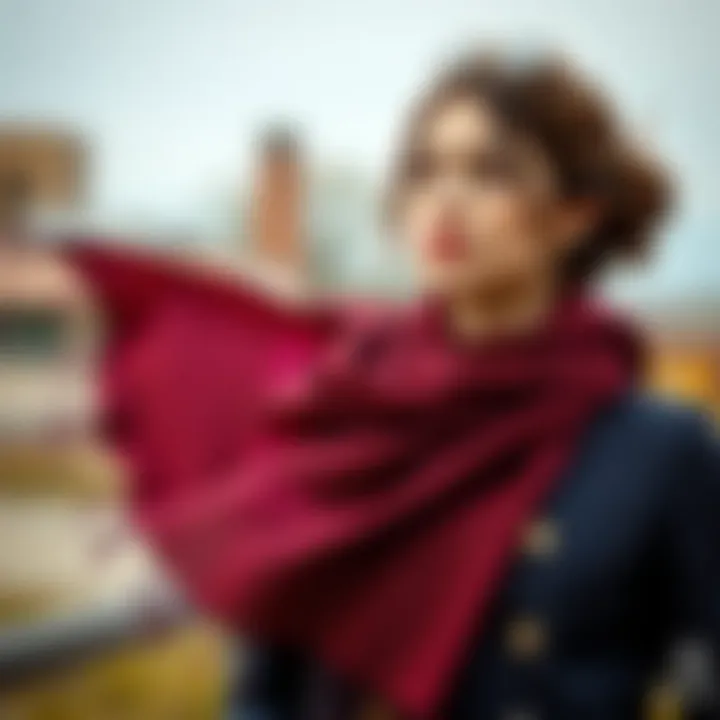
When it comes to washing moth shawls, gentle methods are paramount. Most shawls are composed of delicate fibers, such as wool, silk, or cashmere, which require special attention. Here are some key pointers to consider:
- Handwashing: This is often the safest method. Use lukewarm water with a mild detergent designed for delicate fabrics. Avoid rubbing or wringing the shawl; instead, gently agitate the water to lift dirt away.
- Machine Washing: If the label allows, opt for the delicate cycle on your machine, accompanied by a mesh laundry bag to provide an extra layer of protection. Always wash with cold water to prevent any shrinkage.
Drying Practices
- Air Drying: Lay your moth shawl flat on a clean, dry towel, reshaping it to its original dimensions. Avoid hanging as this can stretch the fibers, leading to misshaping. If speed is of the essence, placing it near a fan can help with drying without the risk of heat damage.
- Avoid Direct Sunlight: Ultraviolet rays can cause fading over time. It's best to dry your shawl indoors or in a shaded area.
Storage Solutions
Storage is another critical component of moth shawl care. Knowing how to store these shawls can prevent damage and maintain their fresh appearance. Here are some tips for effective storage:
- Folding over Hanging: Fold moth shawls neatly rather than hanging them. Hanging can lead to stretching and distortion. Ensure to store them in a cool, dry place.
- Using Breathable Fabrics: Place moth shawls in cotton storage bags or on shelves lined with a cotton cloth, as plastic can trap moisture and lead to mildew development.
- Moth Repellents: Consider using cedar blocks or lavender sachets to deter moths without using harmful chemicals. These natural repellents can keep your shawl safe from wardrobe moths.
"The care you provide your moth shawl is as significant as the artistry behind it. Proper washing and storage significantly extend the life and beauty of these garments, protecting both your investment and the memories they hold."
Implementing these washing and storage tips can significantly contribute to preserving the quality of moth shawls. In a market increasingly aware of sustainability and ethical practices, careful maintenance represents a commitment to valuing craftsmanship and extending the life of fashion pieces. By adopting these measures, one can enjoy the elegance and significance of moth shawls for generations to come.
Sustainability and Ethical Considerations
Exploring the intersection of fashion and sustainability is not just a trend but a pressing necessity. The moth shawl, with its rich history and versatility, begs us to consider the ethics behind our fashion choices. Clothes are more than mere fabrics; they hold stories, cultures, and influences that reflect our values. When discussing moth shawls, we must highlight their role in supporting ethical practices and promoting sustainability within the fashion industry.
Impact of Fast Fashion
Fast fashion has become a formidable presence within the clothing market, often prioritized for its affordability and immediacy. However, the crux of its appeal lies in its serious ramifications for the environment and human rights. Did you know that fast fashion accounts for 10% of global carbon emissions? This statistic emphasizes the need for a shift towards more sustainable options.
The fast fashion model encourages a throwaway culture, pushing consumers towards constant purchasing while disregarding quality and craftsmanship. Moth shawls, in contrast, embody timeless design and functional artistry. Investment in such garments promotes conscious consumption, steering clear of the rapid cycles that define fast fashion.
In addition, the production processes of many fast fashion brands often exploit labor in countries with little to no regulations on workers’ rights. These disparities reveal a darker side to the costs of our clothing. By choosing ethically produced items like moth shawls, consumers are not our just supporting sustainable materials and methods, but also advocating for fair labor practices.
"Conscious fashion is about honoring the people and planet that create the garments we wear."
Promoting Sustainable Practices
The challenge lies not solely in the fabric itself but also in the systems behind its production. Promoting sustainable practices involves various elements that cater to both ecological and social standards. Here are some approaches that play a pivotal role in making moth shawls a centerpiece in the sustainable fashion movement:
- Use of renewable materials: Shawls crafted from natural fibers like cotton or wool minimize environmental impact as they break down naturally over time, unlike synthetic fabrics.
- Ethical sourcing: Supporting brands that source their materials responsibly ensures that local communities receive fair compensation for their contributions.
- Support for artisans: Investing in moth shawls made by artisans uplifts traditional craftsmanship while preserving cultural heritage.
- Recycling programs: Encouraging consumers to return worn-out shawls for recycling nurtures a circular economy.
- Education and awareness: Informing customers about the intricate stories behind their moth shawls fosters a deeper appreciation and stimulates responsible purchasing habits.
In summary, moth shawls present a compelling alternative to fast fashion, marrying aesthetics with ethical considerations. Their very essence encourages a broader dialogue around sustainability, urging consumers to prioritize quality and consciousness over quantity. As fashion evolves, let the moth shawl not just be a garment but a symbol of our commitment to ethical practices and sustainable choices in the vibrant tapestry of the fashion world.
Closure
The world of moth shawls dances between practicality and aesthetic allure, making them more than just an accessory. As we wrap up our exploration, it’s vital to recognize several key takeaways regarding their ongoing relevance and future in fashion.
The Future of Moth Shawls in Fashion
Moth shawls are poised to weave themselves intricately into the evolving narrative of contemporary style. Unlike garments that merely serve a fleeting trend, these shawls encapsulate profound cultural heritage while promoting sustainability—a trait increasingly valued in the modern marketplace.
Some specific elements that spotlight the future of moth shawls in fashion include:
- Sustainable Materials: The fashion industry faces mounting pressure to shift from plastics and fast fashion. New innovations in organic fibers will elevate the moth shawl, blending tradition and modernity, ensuring its longevity.
- Versatile Styling: As more individuals embrace adaptability in their wardrobes, moth shawls can seamlessly transition from casual to formal settings. The myriad of ways to adorn this garment—whether draped elegantly over the shoulders or tied creatively—positions it as a staple.
- Inclusivity in Fashion: Designers are realizing that styles must cater to diverse body types and aesthetics. Moth shawls, with their fluid design and available sizes, manage to appeal to a broader audience, effectively bridging the gap between cultures and personal styles.
"The moth shawl is more than a piece of clothing; it's a statement of values, an invitation to dialogue about sustainability and creativity in design."
In summation, the moth shawl's footprint in fashion is expanding, not contracting. As designers and consumers seek deeper connections with their clothing, these shawls will continue to tell stories, encapsulating their rich history while paving the way for innovative expressions. Embracing this garment means participating in a conversation about our choices, embracing sustainability without sacrificing style.