Exploring Unique Spider Costumes for Cats
Intro
The allure of dressing our pets in fashionable attire has found its way into the hearts of many pet owners, especially cat enthusiasts. When it comes to unique costume choices, one trend that has emerged is spider-themed cat costumes. Such costumes don't just serve a playful purpose but are woven into the deeper fabric of pet culture, touching on aesthetics, safety, and our emotional connection to our furry friends.
Cats have long been associated with various cultural symbols, including mystery and independence. Merging these traits with design elements of spiders—creatures often admired for their artistry in web-making—creates an intriguing aesthetic appeal. This exploration aims to uncover not just the 'what' in spider costumes but also the 'why' behind this fashionable choice.
Understanding the motivations behind selecting such costumes is vital. Whether it’s for a quirky Halloween outfit or an Instagram moment, the significance often lies beyond the surface. Examining the breadth of designs available, we can identify what resonates with pet owners and discuss how these choices reflect broader fashion trends. However, as in all aspects of fashion, there are important considerations to keep in mind concerning the welfare of our pets.
Through this article, we will navigate the intersections of fashion, practicality, and responsible pet ownership. We'll look into current trends surrounding spider costumes for cats while offering insights that can elevate the discourse on pet fashion. The aim is to provide a blend of inspiration and caution for those toying with the idea of dressing their feline buddies in the latest spider-themed looks.
Prelims to Pet Costumes
In the colorful tapestry of contemporary society, pets have emerged as fashion icons in their own right. The idea of adorning our furry friends in creative costumes is more than just a fleeting trend; it reflects shifting perceptions about the role pets play in our lives. Rather than mere companions, pets are increasingly viewed as family members, prompting owners to express their personalities through the styling choices they make for their animals.
The importance of discussing pet costumes lies not only in the aesthetics but also in understanding why and how this phenomenon has evolved. A spider costume for a cat, while whimsical, touches on various threads of culture, fashion, and even social media dynamics. With every holiday that rolls around, the costume market broadens, revealing a wealth of options that cater to diverse tastes.
Pet costumes often serve as a canvas for expressing creativity. Cat owners can combine colors, patterns, and textures that resonate with their style while aiming to foster a deeper bond with their pets. These choices can enhance the emotional connection, provide opportunities for delightful experiences, and sometimes even draw families closer.
However, the surge in pet fashion must be navigated with a critical eye toward comfort and safety. Not all cats take kindly to dressing up; understanding cat behavior is essential before diving into this vibrant world of costume selection. The best costume is one that accommodates a cat's natural proclivities while allowing for a fun and engaging experience for both the pet and the owner.
Through this exploration of pet costumes, particularly focusing on unique spider-themed designs, readers will uncover not only the design considerations but also the motivations, cultural layers, and ethical questions entwined in this quirky yet fascinating movement. This discourse aims to empower fashion designers, stylists, and cat enthusiasts alike to make informed and responsible choices in their sartorial adventures with their pets.
Understanding Spider Costume Designs
The universe of spider-themed costumes for cats offers both aesthetic pleasure and complex considerations for pet owners. Engaging with these designs is essential not just for fashion but also for reflecting on how garments can enhance or hinder the well-being of our feline friends. Each element from fabric choices to safety features plays a crucial role in how effective and desirable these costumes can be.
Fabric Choices in Costuming
Selecting the right fabric is paramount when crafting or purchasing a spider costume for cats. Fabrics like cotton, which breathes well and is gentle on a cat's skin, can ensure comfort. Faux fur mimics the appearance of a spider's texture and can add an exciting visual element without compromising warmth or comfort.
It's important to steer clear of materials that can cause irritation, such as certain synthetic fibers, which often itch against cat fur. By opting for lightweight, flexible fabrics, you allow your cat to move freely and naturally.
"The right fabric is a canvas for creativity and comfort; it should enhance, not impede, the joy of dressing our furry companions."
Color Schemes and Patterns
The color palette and patterns chosen for spider costumes can greatly influence how these outfits are received, both by pets and their owners. Classic black and orange colors evoke the popular themes surrounding Halloween, elevating the costume's festive appeal.
However, innovative designs might incorporate purple, green, or metallic hues to make a bolder statement. Patterns like webbing or even spider graphics can enhance the thematic elements of the choice, making the costume more engaging visually.
Color not only serves aesthetics but also psychological purposes; it can affect mood and behavior. For instance, bright colors may stimulate playfulness, while darker tones can create a more mysterious allure. Proper color and pattern choices can significantly impact public perception when indulging in pet fashion.
Safety Features in Pet Costumes
Safety should always be the top priority when designing or dressing pets in any costume. The excitement of dressing a cat in a spider costume can blind one to the potential risks involved. Features like secure fastenings that do not constrict breathing or movement are crucial. Loose parts that dangle, like faux legs on a spider outfit, can pose choking hazards if they’re not secured correctly.
Moreover, owners should think about the visibility of the costume. Bright colors or reflective materials can help keep a pet visible, especially during evening outings or car rides.
Motivations for Dressing Cats
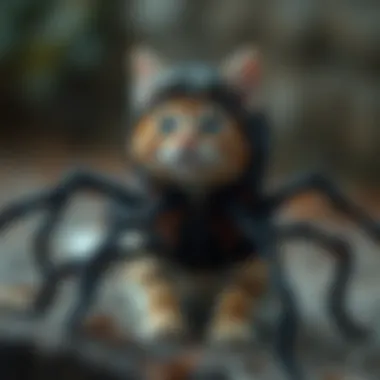

Dressing cats in themed costumes, particularly spider designs, may seem like a trivial pursuit to some. However, it unearths a well of motivations that blend aesthetics, social interaction, and historical context. For many owners, the act of dressing up their feline companions transcends mere amusement; it can serve as a form of bonding, a celebration of shared experiences, and a method to express individual style.
As we delve into the aesthetics of pet fashion, it's important to understand that dressing a pet is also significantly influenced by cultural perceptions of style. Different communities and social circles can imbue certain meanings onto the act of adorning a pet. This cultural lens shapes owners' motivations and choices, allowing for an exploration of both individual and collective fashion choices that resonate widely.
Aesthetic Appeal for Owners
One of the primary reasons why owners choose to dress their cats in spider-themed costumes is the aesthetic appeal that it brings. Cats are often considered the embodiments of elegance in the animal kingdom, and this naturally intertwines with the fashion sensibilities of their human caretakers. A well-dressed cat catches the eye, generating feelings of joy and pride among owners.
These costumes are not just for the cats; they often reflect the owner’s taste and personality. For example, a cat bedecked in a chic spider ensemble during Halloween can symbolize the owner's festive spirit. Like a well-tailored blazer, a good costume can elevate the overall image and create a buzz amongst friends. In this light, dressing a cat is akin to donning an accessory.
- The following elements enhance the aesthetic appeal of spider-themed costumes:
- Detailing: Intricate designs and elements mimic spider characteristics, making the costumes an art piece in themselves.
- Unique Fabrics: Materials that mimic textures found in nature give these outfits a lifelike quality, enriching the visual experience.
- Color Coordination: Coordinating colors allows the costume to pop while aligning with seasonal palettes leading to a striking presentation.
Seasonal Festivities and Events
Festivals and seasonal celebrations provide another significant motivation for cat owners to indulge in costuming their pets. Events such as Halloween, themed parties, or even local parades present opportunities for owners to showcase their cats in delightful costumes. During these periods, dressing up a pet can align with communal spirit and festivities, making it a shared celebration among fellow pet owners.
Some practical points include:
- Halloween: A prime example where spider costumes become all the rage, mirroring the spooky ambiance of the season. Owners relish the chance to match their costumes with their pets, enhancing the festive experience.
- Themed Events: Occasionally, shops or local parks host events that encourage costume contests. These community avenues create a platform for showcasing creativity while promoting bonding experience among pet owners.
In essence, these festivities represent valid avenues for owners to express their creativity while fostering community ties, resonating significantly with the overall ethos of pet ownership.
Social Media Influence
In this digital age, social media plays a substantial role in shaping trends and behaviors, including how we perceive pet fashion. Social platforms like Instagram and TikTok have become breeding grounds for pet influencers showing off their unique styles, and it’s changing the game for the way cat owners perceive costuming.
Cat owners experience a sense of pride and a desire to showcase their pets online, joining the vibrant community of fellow enthusiasts. The homemade videos of playful cats in spider costumes can drive virality, making ordinary cats into stars. There’s also a sense of competition, as many pet owners strive to outdo one another with creative, unique outfits.
This social media dominance influences purchasing behaviors. If a certain outfit gains traction online, it tends to see a spike in sales, leading retailers to cater to these high demands.
- The dynamics of social media in pet fashion engage consider the following aspects:
- Creativity: Owners showcase their ingenuity through unique designs via DIY costume videos or tips.
- Network: Influencers can introduce new brands and inspire broader trends, leading to an ever-evolving fashion landscape.
- Community Building: Shared content allows for collective experiences and support among a growing community of pet lovers.
Considerations for Cat Owners
When you decide to dress up your feline friend in a spider-themed costume, there are a couple of considerations that simply can't be brushed aside. While fashion for pets is on the rise, pet owners must navigate the delicate balance between style and their furry companions' comfort and well-being. Costumes shouldn’t just be an aesthetic choice; rather, they should cater to the individual needs of the cat. Understanding this can create a more enjoyable experience for both the owner and the pet.
Assessing Your Cat's Comfort
First thing’s first: is your cat ready for a costume? Just because we might find the idea of a cat dressed in a spider costume charming doesn't mean the cat does. Cats are not usually fans of anything that changes their natural state. Before diving into the world of pet fashion, observe how your cat behaves around new items. Do they shy away from strange textures, or maybe they come rushing to check things out?
A few pointers can help in ensuring your cat's comfort:
- Fabric Choice: Select soft, breathable materials. Scratchy or heavy fabrics can transform your spider costume into a torture device.
- Fit: Costumes shouldn’t restrict movement. A snug fit that allows for some wiggle room is ideal.
- Safety Features: Look for items that contain no choking hazards. An overzealous cat might nibble on dangling parts.
"Remember, if your cat is not having fun, dressing them up is more trouble than it’s worth."
Understanding Cat Behavior
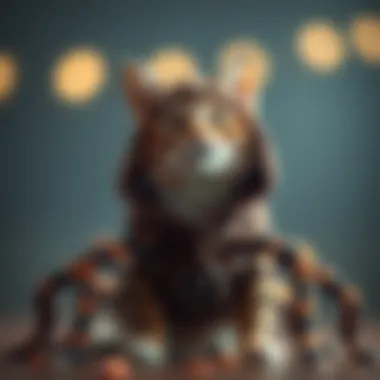
Cats are creatures of habit, and introducing new outfits can evoke a range of behaviors. Understanding these behaviors is crucial when it comes to costume dressing. Cats communicate in subtle, nuanced ways, and a little patience goes a long way.
- Body Language: Pay attention to your cat’s posture. Are they crouched, or do they look relaxed? An erect tail usually signifies confidence, while lowered ears indicate distress.
- Adaptation Time: Give your cat some time to get used to the costume. Leave it near their resting spot before attempting to dress them up. This familiarization can reduce anxiety.
- Practice Sessions: Instead of an entire day in a costume, why not try dressing them up for short bursts? Gradually increasing the duration can help in easing them into the ensemble.
Being mindful of these aspects can lead to a pleasant experience, where the joy of pet fashion doesn’t come at the cost of your cat’s wellbeing. Choosing the right approach yields a win-win situation where both your interests and their comfort coexist harmoniously.
Styling Tips for Spider-Themed Costumes
Dressing a cat in a spider costume can be an art in itself, one that requires thoughtful styling to ensure both aesthetic appeal and comfort. The right approach not only highlights the whimsical elements of the costume but also makes sure that the feline remains happy and active. It’s crucial that pet owners consider various design aspects when putting together a spider-themed outfit for their cats, turning an ordinary dress-up into a sizzling fashion statement without compromising on practical needs.
Accessorizing with Coordination
When it comes to accentuating a spider-themed costume, coordination is key. Not just about how the costume looks, but how it fits into the overall vibe of the occasion. Choosing accessories like spider-themed collars, bows, or even themed tags adds layers to the costume. For example, a little bow tie featuring spider webs can tie the whole look together, making it pop while also offering a sense of fun.
However, it’s important to remember the overall aesthetic balance. If the costume is elaborate, simpler accessories are often more effective. Ditching conflicting colors or textures can prevent the look from becoming overwhelming.
- Tip: Try to match the color scheme of the costume with the accessories. If the main body of the costume is black and spooky, consider subtle reds or silver accents to enhance the theme rather than clash with it.
"A well-coordinated look serves as a conversation starter, reflecting not only the owner’s taste but also the cat’s personality."
Pairing Outfits with Toys
Cats are playful creatures, and it’s only fitting to incorporate that spirit while they’re dressed up. Pairing spider costumes with cute, themed toys can add an extra layer of engagement for the pet and entertainment for the owner. Think of soft, plush spiders or yarn balls mimicking spider shapes, which can make playtime visually appealing while sticking to the theme.
Moreover, interactive toys can help ensure that the cat enjoys wearing its costume without feeling restricted. It promotes movement and playfulness, allowing the cat to feel like a confident creature of the night rather than a mere accessory.
- Choice of Toys: Consider options like:
- Plush spider toys that match the costume.
- Crinkle toys shaped like cobwebs.
- Treat balls that could motivate the cat to move around.
Remember, the main aim is to keep dressing fun while making sure that your cat is comfortable and content. This thoughtful integration can significantly enhance the experience for both the pet and its owner, making the spider costume a memorable facet of their shared moments.
The Ethical Implications of Dressing Pets
Dressing pets in costumes, such as spider-themed outfits, often sparks discussions that revolve around responsibility and ethics. It's not just about aesthetics or holiday fun; there are deeper implications that lure up when we start putting clothes on our feline friends. Understanding these facets is crucial for pet owners and designers alike, as they lay the groundwork for a thoughtful approach to pet fashion.
Animal Welfare Perspectives
The primary responsibility of any pet owner is to ensure the well-being and comfort of their animals. When it comes to animal welfare, it’s essential to assess how clothing affects their physical and psychological states. Cats, as we know, have a unique set of behaviors and preferences. They are creatures of instinct, often feeling confined or restricted by clothing. If an outfit, whether it be a whimsical spider suit or any other, causes distress, it defeats the purpose of dressing them up in the first place.
Here are some factors to consider:
- Movement: Clothing should not impede a cat’s natural movement. While a costume may look great on Instagram, it may also make a cat hesitant to move freely.
- Temperature: Certain fabrics can trap heat or rub against the skin, leading to discomfort. It’s vital to opt for breathable materials.
- Stress Levels: Not all cats appreciate the idea of wearing outfits. Some may feel anxious or agitated, which should be taken seriously.
It’s not enough to simply slap on a costume for a photo—it's about the welfare of the animal.
Promoting Responsible Costuming
The question of responsible costuming arises as a call to action for pet owners and designers. In an era where pet fashion garners massive attention, the responsibility lies in promoting practices that prioritize the welfare of the animal. This means designing costumes that are not only fashionable but also functional.
Here are a few principles to guide ethical pet fashion:
- Quality Over Quantity: Invest in high-quality materials that offer comfort and safety. The joy of observing a well-dressed cat can amplify exponentially if the outfit is made to last and is safe.
- Tailor to Fit: Just as with human garments, a properly fitting costume can make all the difference. Avoid overly loose or tight clothing that could hinder a pet’s normal activities.
- Trial Runs: Before a grand outing, allow the cat to wear the costume for short periods to gauge their reaction. Make adjustments based on their comfort level.
"Costuming does not only reflect taste, it reflects our values and responsibilities toward our animal companions."
For further reading on animal welfare and responsible pet ownership, check out resources like The American Society for the Prevention of Cruelty to Animals (ASPCA) or The Humane Society.
Future Trends in Pet Costuming
The landscape of pet fashion is shifting like sands in the desert. With each change in season, innovative ideas bubble to the surface. Understanding these trends can enhance the conversation around fashion choices for our feline friends. The introduction of spider-themed costumes offers a lens into this evolution, underscoring not just aesthetics but also a commitment to responsible practices.
Innovation in Materials and Design
The realm of materials has witnessed a significant leap. Gone are the days when cats were bundled in scratchy fabrics. Today, designers favor breathable textiles that comfort rather than constrict. This reflects a growing understanding that comfort is paramount in pet fashion. For instance, stretchy spandex can offer flexibility while mimicking the intricate design of a spider’s web.
Additionally, designers are utilizing 3D printing technology to produce unique accessories. This innovation can allow for detailed representations of a spider’s legs or an intricately patterned costume—far beyond a simple outfit that can easily fall flat. With crafting methods evolving, the potential for personalization increases, allowing for costumes that not only fit but also speak to the owner's style choices.
When selecting materials, there are some noteworthy considerations:
- Lightweight fabric options reduce the burden on a cat and can mean the difference between a happy pet and a skittish one.
- Moisture-wicking materials can keep pets cool and dry, particularly important for events like Halloween or themed gatherings where long wear is expected.
"The future of pet costuming isn't just about flamboyance; it's about making sure our companions are comfortable and safe while they strut their stuff."
Sustainable Practices in Costuming
As awareness around sustainability grows, the pet fashion industry is not lagging behind. Eco-conscious materials are making their debut in costumes, aligning fashion with an ethos of responsibility. Designers are now experimenting with recycled or organic fabrics that lessen environmental impact. This shift can be a significant draw for cat owners who place high value on ethical consumption.
More brands are now striving to incorporate:
- Biodegradable embellishments, such as buttons made from natural materials, ensuring that even the smallest elements leave behind a minimal footprint.
- Local sourcing practices, which reduce carbon emissions. A costume made from fabrics produced just miles away is always preferable to those that have traveled thousands of miles.
One growing trend is the reform of traditional costumes into adaptable designs; costumes that can transform into everyday wear offer dual functionality, minimizing waste. This not only enhances the lifespan of pet garments but also encourages responsible pet ownership—utilizing what is already in one’s closet while showcasing creativity.
As the dialogue around pet fashion evolves, it becomes clear that the choices made today set the stage for tomorrow. Pet fashion is more than a yearly trend; it’s about fostering a community that celebrates individuality while keeping welfare at heart.
Epilogue: The Balance Between Fashion and Welfare
In the realm of pet costuming, particularly with spider-themed outfits, it becomes crucial to reflect on the duality of aesthetic appeal and animal welfare. As fashion-conscious individuals and savvy pet owners seek to imbue their feline friends with unique and eye-catching designs, there's a pressing responsibility to remember what these costumes truly imply for the pets themselves.
Dressing cats in fun and quirky outfits might bring a smile to the faces of their owners, yet it has the potential to affect how those animals feel physically and emotionally. This is not merely about style but fostering a deeper connection between pet and owner while ensuring the animal's well-being remains a priority. Many cats express their discomfort in subtle ways; the twitch of an ear or an attempt to wiggle out of a poorly-fitted garment can speak volumes. Therefore, it is vital for owners to keep their pets' comfort in mind, ensuring any costume allows for ease of movement and doesn’t restrict natural behaviors.
"A well-designed costume enhances not only look but also the cat's happiness."
Reflecting on Pet Owner Responsibilities
Pet owners hold a significant responsibility when it comes to dressing their animals in costumes. Ensuring they're compliant with this duty encompasses understanding the nuances of animal behavior and respecting each pet's individuality. Before donning a spider outfit, owners should ask themselves:
- Does the costume allow my cat to move freely?
- Will it cause them undue stress?
- How will my pet respond to wearing this?
These questions can guide owners in making informed choices, emphasizing that the choice of costume should prioritize the creature's comfort rather than just aesthetic value. A responsible pet owner will gauge their cat's reactions and adjust their approach accordingly.
The Personal Touch in Pet Fashion
Ultimately, pet fashion can indeed be a canvas for creativity and personal expression. When crafting or selecting a spider costume, owners can impart a personal touch that reflects their style while considering their feline's preferences. Incorporating familiar colors, textures, and even themes can forge a stronger bond between pet and owner.
Moreover, the act of dressing a pet can foster joyous interactions. For example, if a cat seems drawn to a particular type of fabric or pattern, using that for future costumes ensures that the experience is positive for both parties. Owners can even involve their pets in the selection process by observing which styles attract their attention.
In essence, the balance between fashion and welfare is not just a choice but a commitment. It urges all involved in this pet fashion narrative to aim for designs that are both stylish and humane, celebrating our furry companions while keeping their needs front and center.