Exploring Stone Easter Bunny Sculptures: Craft and Meaning
Intro
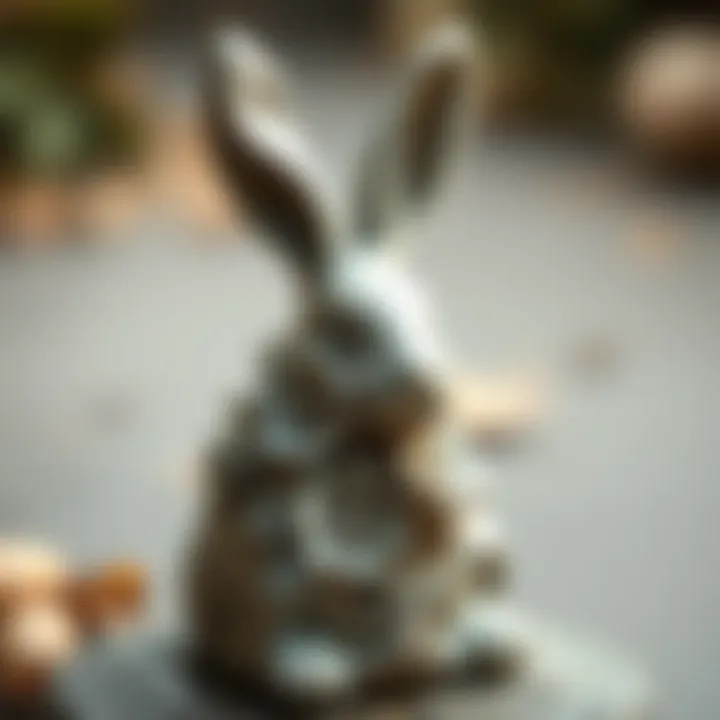
The world of stone Easter bunny sculptures is a fascinating blend of culture, artistry, and tradition. These sculptures are not merely decorative pieces; they represent a rich history that intertwines various artistic techniques and symbolic meanings. As Easter approaches, the allure of these stone creations becomes even more prominent, bringing seasonal joy and whimsy to homes.
Throughout history, the motifs surrounding Easter have evolved, with many artisans adopting the bunny as a symbol of rejuvenation and fertility. Each stone sculpture tells its own story, carved with care and imbued with artistic expression. The craftsmanship behind these pieces requires a delicate balance of skill and passion, reflecting the creator's dedication to their art.
Prologue to Stone Easter Bunny Sculptures
The charm of stone Easter bunny sculptures lies not only in their intricate design but also in their rich tapestry of historical and cultural significance. These charming figures, carved from enduring stone, serve as a bridge connecting seasonal celebrations and artistic craftsmanship. As we peek into the world of these creations, it becomes clear that they are more than mere decorations; they represent hope, renewal, and continuity in various cultures.
Overview of Stone Sculptures
Stone sculptures have been part of human expression for millennia, reflecting the evolving artistic trends and cultural narratives over time. Whether chiseled from limestone, marble, or granite, the medium has its unique characteristics that affect its aesthetics and longevity. Artisans often select stones based on their texture, color, and ease of carving, allowing for a range of expressions from the elegant to the whimsical.
This selection process is not a trivial task. Each stone tells its own story, and choosing the right one can set the tone for the piece. For instance, a light-colored alabaster might be chosen for a soft, inviting look, while a darker granite might convey strength and durability. This diverse material selection is a key element of the artistry inherent in stone sculpture creation. Additionally, the transformation of raw stone into a polished work of art requires immense skill and patience, making each piece a triumph of both nature and human creativity.
Cultural Significance of Easter Bunnies
Easter bunnies have a place in folklore that extends far beyond their cute and fluffy exterior. Often connected to symbols of fertility due to their prolific nature, bunnies have been associated with springtime rejuvenation and Easter celebrations. Various cultures interpret the Easter bunny differently, giving it unique meanings that connect to their spiritual beliefs.
- In New England, for instance, the Easter bunny is known to deliver eggs, embodying themes of new life and rebirth. This practice may have roots in ancient pagan traditions, where hares were revered as sacred beings.
- In Germany, folklore centers around the
Historical Context
Understanding the historical context surrounding stone Easter bunny sculptures is vital to fully appreciate their significance in both art and culture. These sculptures do not merely serve as decorative pieces; they carry with them stories, traditions, and meanings that have evolved over centuries. In this section, we will examine the origins of Easter symbolism and the evolution of bunny sculptures. This exploration provides a backdrop that enriches our understanding of these enchanting forms.
Origins of Easter Symbolism
Easter is a time imbued with deeper connotations, far beyond the surface-level festivities we see today. The symbol of the bunny, often presented alongside eggs, finds its roots in ancient times. Communities celebrated spring festivals, highlighting themes of renewal and rebirth. The hare, embodying fertility due to its rapid reproductive capacity, became a prominent figure. As circled by various cultural influences, the rise of Christianity brought new interpretations. Early Christians absorbed these symbols, intertwining them with the resurrection of Jesus, leading to the Easter Bunny's dual identity in modern culture.
- Fertility: Various pagan cultures celebrated fertility rituals using hares and rabbits, aligning them with themes of life continuity.
- Christian Influence: The adoption of these symbols by early Christians helped merge pagan traditions into Easter celebrations, making them widely accepted.
- Folklore and Tradition: In German folklore, the Easter Bunny (Osterhase) is said to lay eggs for children to find, further establishing the bunny's link to spring celebrations.
Through historical lenses, we see that the symbolism of the bunny transcends mere decoration. When carved from stone, these interpretations take on a new permanence, inviting both reflection and reverence.
Evolution of Bunny Sculptures
The journey of bunny sculptures is quite remarkable, starting from rudimentary carvings to intricate stone designs that captivate collectors and art connoisseurs today. As artistry evolved, so did the techniques and styles applied in creating these delightful forms. The evolution can be broken down into notable stages:
- Primitive Beginnings: Early bunny sculptures emerged as crude representations, often serving functional or ritualistic purposes in ancient societies. Employing simple tools, artisans would manipulate stone to create hollow figures or basic shapes.
- Religious Iconography: With the surge of religious symbolism during the medieval period, stone bunnies became more elaborate, often incorporated into altars and church decorations. These figures transcended mere aesthetics, acting as symbols of faith.
- Renaissance and Baroque Influence: The Renaissance era marked a return to classical forms and emphasized detailed craftsmanship. Bunny sculptures became increasingly ornate, showcasing advanced carving techniques that highlighted the fur textures and facial expressions, adding depth to the figures.
- Modern Trends: Today, artisans blend traditional techniques with contemporary designs, exploring various materials and styles. From abstract forms to hyper-realistic carvings, stone Easter bunnies have adapted to modern tastes while retaining their historical essence.
As we traverse through this historical pathway, it becomes apparent that each stone bunny sculpture is not simply a decorative item; it is a testament to artistry and cultural narratives. The blend of springtime joy and rich symbolism ensures that these sculptures retain their charm and allure in seasonal decorations.
“In every stone Easter Bunny lies not just craftsmanship, but layers of history waiting to be unveiled.”
Understanding the roots and trajectory of these sculptures leads us to appreciate their role in today's decor and traditions. For more detailed insights, resources from Britannica and Wikipedia offer substantial knowledge on Easter symbolism and crafts.
Artistic Process of Stone Sculpture Making
The artistic process behind creating stone Easter bunny sculptures is fundamental to understanding their charm and craftsmanship. It goes beyond mere aesthetics; it encompasses a rich dialogue between the artist and the material. Each step in the sculpture-making process reflects a blend of technique, creativity, and deep appreciation for the medium. Thus, the artistry of stone sculpture making serves as a bridge that connects culture, tradition, and contemporary expression.
Material Selection
The choice of material is the backbone of any sculpture. Stone is revered for its durability, timelessness, and ability to convey emotions through texture and form. Different types of stone, such as granite, marble, and soapstone, offer unique characteristics affecting the final piece. For instance, while granite is robust and suitable for outdoor displays, marble's softness allows intricate detailing. Each sculptor has a preferred stone type, which often speaks to their artistic vision.
- Granite: Known for its sturdiness, it's perfect for large outdoor sculptures.
- Marble: Valued for its fine texture and ability to hold detail, often used for intricate indoor designs.
- Soapstone: This softer rock is easier to carve, making it favorable for beginners and fine detailing.
Selecting the right stone requires not just knowledge of its properties but also an understanding of how the chosen material interacts with light and hue. A well-selected stone can elevate the sculpture beyond a mere artifact to a piece that resonates with viewers, inviting them to connect with the artistry and intention behind the work.
Techniques in Stone Carving
Carving stone is a meticulous process that demands precision, patience, and skill. The techniques employed are not just technical but also deeply connected to the traditions of stone carving, which date back thousands of years. Traditional tools like chisels and hammers have been refined over centuries, and though modern technology offers power tools, many artisans still find joy in hand-carving to maintain a direct link to the material.
Here are some common techniques:
- Point Chiseling: Used for roughing out the sculpture, removing large amounts of stone quickly.
- Flat Chiseling: Helps in smoothing out and refining the surface.
- Rasping: This technique provides finer details and shapes the surface even further.
Each technique plays a pivotal role in expressing the sculpture's narrative and emotion. Understanding which tool to use and when can drastically influence how a piece evolves and communicates with its audience.
Finishing Touches and Texturing
The finishing touches on a stone sculpture are where the magic truly happens. This is the stage where the artist's vision is brought to life and where surface textures spark intrigue. Attention to detail is paramount; the final texture can influence the interplay of light and shadow across the sculpture's surface. The finishing process may involve polishing, grinding, or even applying natural waxes to enhance the stone's luster.
A few techniques involved in this phase include:
- Polishing: This gives the surface a shiny appearance, emphasizing the stone’s natural color and grain.
- Texturing: Adding different textures can evoke various emotions and can be functional as well, offering grip in areas frequently touched.
- Patinas: Some artists may use dyes or paints that will bond with the surface, achieving visual effects that give sculptures a dynamic character.
"A stone sculpture is not just a mere object; it embodies the soul of the artist, the essence of the material, and the stories waiting to be told through its form."
This stage is crucial for transforming a rough block of stone into a captivating work of art. It solidifies the relationship between the sculptor and the medium, ensuring that the final sculpture stands as a testament to their skill and creativity.
In summary, the artistic process of stone sculpture making, encompassing material selection, carving techniques, and finishing touches, is a journey filled with choices and expression. Each aspect significantly contributes to the piece’s overall appearance and symbolism, enhancing its presence as a seasonal decorative element.
Design Variations and Styles
Design variations and styles of stone Easter bunny sculptures are not merely aesthetic choices; they reflect cultural values and artistic evolution across time. Each unique design offers new perspectives, allowing collectors, designers, and decorators to find pieces that resonate deeply with their personal aesthetics or thematic preferences. In this section, we’ll explore the breadth of traditional designs, contemporary interpretations, and the cultural influences that shape these beloved sculptures, delving into how they enhance festive ambiance and home decor.
Traditional Designs
Traditional designs for stone Easter bunny sculptures often draw inspiration from folklore and historical representations of bunnies. These sculptures typically embody characteristics from classic interpretations, such as the soft curvature of the bunny's form and realistic detailing. Many of these designs are reminiscent of the Easter season's origins in Spring and rebirth. Subtle features like long ears, a gentle pose, or even floral motifs are commonly integrated.
Craftsmen may choose timeless stones like marble or limestone, which are both durable and evocative of a bygone era. Each sculpture brings a narrative touch from past generations, offering not just a decorative element but also a connection to shared history. When displayed, they evoke a sense of nostalgia, often reminiscent of children's storybooks or older Easter celebrations. Collectors often seek out these traditional bunnies as they offer a tactile experience of culture and artistry, making them suitable for more classic or vintage-themed decor.
"The charm of traditional designs lies in their ability to transport us to a simpler time, reminding us of the joy found in childhood traditions."
Contemporary Interpretations
Contemporary interpretations of stone Easter bunny sculptures challenge these norms through innovative styles and materials. Modern artists often incorporate a blend of abstract forms and minimalistic aesthetics, recognizing that less can sometimes mean more. These sculptures might take on playful shapes, bold colors, or unexpected textures, catering to younger audiences or those looking for something fresh in their decor.
The integration of different types of stones, like basalt or soapstone, adds another layer to their contemporary forms. It's not uncommon to see elements like geometric patterns or mixed media being employed, allowing an avenue for greater expression.
For decorators or collectors, these modern pieces serve as conversation starters—an embodiment of the current artistic climate. A contemporary bunny sculpture can make a powerful statement in any space, transforming Easter decor into an artistic reflection of modern life.
Cultural Influences on Design
Design of stone Easter bunny sculptures is deeply impacted by cultural influences, with regional variations arising from historical contexts, local materials, and traditions. For instance, in some cultures, bunnies symbolically embody ideas of fertility and renewal, influencing the sculpture's themes and designs.
In countries like Germany, stone bunnies are often carved to emphasize nature’s vibrancy, incorporating motifs that represent local flora and fauna. They may also come adorned with symbols relevant to specific holidays, embedding layers of meaning into these artworks.
Conversely, in places where Easter is celebrated less formally, one might find lightweight stone sculptures that capture a more whimsical spirit. These variations allow each piece to tell a story reflective of not just artistry but also heritage. Understanding these cultural influences can enhance appreciation for the artistry involved, making the collectible even more valuable both symbolically and materially.
In summary, the exploration of design variations and styles offers insight into the creative process and the cultural significance of stone Easter bunny sculptures. Whether drawn to traditional forms or modern interpretations, enthusiasts and collectors alike can find something meaningful to add to their decor, symbolizing the way art inherently weaves itself into the fabric of culture.
The Role of Stone Bunny Sculptures in Seasonal Decor
Stone bunny sculptures have carved a unique niche in the realm of seasonal decorations, particularly during Easter. These durable, artistic pieces not only enhance the aesthetic of various spaces but also evoke a sense of tradition and nostalgia. The role they play in home and holiday decor is multi-faceted, marrying art, culture, and personal expression.
Using stone bunny sculptures as part of seasonal decor offers a variety of benefits and considerations. They serve as a focal point that draws attention and hearts, inviting admiration from guests and family alike. In addition, they can be incorporated into a range of design styles—from rustic farmhouse to contemporary chic—making them versatile options for many settings.
- Durability: Unlike flowers or temporary decorations, stone sculptures offer lasting beauty, staying vibrant for years. Their resilience against the elements makes them suitable for both indoor and outdoor displays.
- Symbolism: Bunnies, as symbols of fertility and renewal, resonate deeply with the themes of Easter. Having artifacts that mirror these symbols fosters a connection to the holiday's essence.
- Artisan Craftsmanship: These sculptures tell a story of skilled artisans and their craftsmanship. Each piece often carries unique characteristics, making them conversation starters in any home.
With that in mind, let's examine how to integrate these captivating sculptures into home design effectively.
Integrating Stone Sculptures into Home Design
Incorporating stone bunny sculptures into interior spaces requires a thoughtful approach to ensure they complement the overall design rather than clash with it. Here are several strategies:
- Entryway Accent: Place a beautifully crafted stone bunny in the entryway. This will create an inviting atmosphere as guests enter, suggesting warmth and festive spirit.
- Fireplace Mantel: The mantel provides an ideal platform for seasonal decor. Position a stone bunny alongside candles or decorative eggs to enhance its visual interest.
- Garden Rooms or Patios: In spaces where nature meets design, stone bunnies can serve as lovely focal points, connecting the indoor and outdoor environments.
When integrating such sculptures, consideration for their placement and the surrounding elements is crucial. Often, the colors and textures of the surroundings should harmonize with the stone's finish to create a cohesive look.
Outdoor Displays for Festive Ambiance
Using stone bunny sculptures outdoors can magically transform gardens and yards into charming displays of creativity and celebration. Here are some ways to bring an enchanting ambiance to outdoor settings:
- Front Yard Displays: Arrange a couple of stone bunnies amid flowering plants or alongside decorative stones to create a whimsical scene that catches the eye of passersby.
- Easter Egg Hunt Areas: For families, these sculptures can anchor designated areas for Easter activities, making the space feel festive and welcoming.
- Pathway Markers: Placing smaller sculptures along pathways not only creates visual interest but also guides visitors through your outdoor space, enhancing the overall experience.
By thoughtfully integrating these sculptures into seasonal decor, one can elevate the aesthetic appeal of both indoor and outdoor environments, creating a harmonic blend of art and tradition that resonates across generations.
Symbolism and Meaning
The symbolism behind stone Easter bunny sculptures provides a fascinating glimpse into cultural narratives and artistic expression. These sculptures embody various meanings that resonate across communities. Not simply decorative, they stand as vivid representations of broader themes such as renewal, fertility, and cultural heritage. This exploration of symbolism helps us grasp the intricate relationship between the artist's intent and cultural context, offering deeper appreciation of these stone figures.
Bunnies as Symbols of Fertility
Bunnies have long been associated with fertility in many cultures, symbolizing new life and the promise of spring. This appeal is particularly apt, given that Easter, often marked by the arrival of spring, represents rebirth and rejuvenation. In the context of stone Easter bunny sculptures, this symbolism is magnified through artistic choices. For instance, many artists choose to depict the bunnies in playful poses or surrounded by floral patterns that signify growth.
Moreover, you can find variations in the size and detail of these sculptures. Larger, intricately carved bunnies may symbolize abundance, while smaller figures may represent personal growth or individual rebirth. The often soft, rounded shapes of bunnies contrast with the stone material, creating a compelling visual that embodies the essence of vitality within the rigidity of stone. This juxtaposition underscores the complexity of fertility as a concept, making the stone sculptures rich in meaning.
Key Aspects of Fertility Symbolism:
- Abundance: Larger figures can symbolize the fertility of the earth and the promise of plentiful harvests.
- Growth: Smaller, detailed sculptures may focus on personal or spiritual growth, inviting intimate reflections.
- Rebirth: The connection to spring enhances the symbolism of renewal and resurgence within life cycles.
Spiritual Interpretations in Different Cultures
In various cultures, the Easter bunny transcends mere decoration and enters the realm of spirituality. For some, bunnies represent not just fertility but also innocence and purity. The ancient Celts, for instance, viewed hares, which are often associated with rabbits, as sacred animals linked to the moon and fertility. In this light, stone Easter bunny sculptures can be seen as more than artistic expressions—they act as conduits for spiritual reflection.
In certain traditions, rabbits are revered as guardians of purity and springtime. For example, in some Native American cultures, the rabbit is considered a trickster figure, embodying the dual nature of life and death. The stone bunny's sturdy, unyielding form contrasts with the ephemeral nature of its symbolism, providing a tangible reminder of the cycles of life.
Cultural Associations:
- Celtic Tradition: The hare symbolizes fertility and is often linked with lunar cycles.
- Native American Beliefs: Rabbits are seen as clever tricksters, embodying life’s dualities.
- Christian Symbolism: In Christianity, the bunny represents the resurrection of Christ, emphasizing themes of hope and renewal.
In summary, the meanings woven into stone Easter bunny sculptures are rich and multifaceted. Their representations of fertility and cultural interpretations echo across time and space, enriching not just our aesthetic experience but also our spiritual one. As interpretations evolve, the dialogue around these sculptures continues, inviting future generations to explore their significance further.
Sustainability in Stone Sculpture Production
Sustainability in stone sculpture production has emerged as a crucial topic, especially within the context of decorative art. As the world becomes more environmentally conscious, both artisans and collectors are now prioritizing sustainability. This means adopting practices that not only minimize ecological impact but also ensure that crafts thrive while preserving natural resources for future generations. In the realm of stone Easter bunny sculptures, sustainability is reflected in the sourcing of materials and the techniques employed in the artistic process. Emphasizing these elements promotes a mindful approach to a sector that thrives on tradition and heritage.
Ethical Sourcing of Materials
One of the cornerstones of sustainable sculpture production lies in the ethical sourcing of materials. When we talk about stone, it’s essential to consider where it comes from and the method of extraction.
- Supply Chain Transparency: Artisans should ensure that the quarrying processes do not harm the environment or local communities. This transparency strengthens trust between consumers and producers, as many collectors are keen on knowing the origins of their sculptures.
- Local Sourcing: Many artists are turning to locally sourced materials to diminish transportation emissions and support local economies. This not only reduces the carbon footprint but also adds a unique charm to each sculpture, as the stone's regional characteristics come through in the craftsmanship.
- Recycled Materials: In recent times, some sculptors have begun using recycled stone from old buildings or sculptures. This practice not only embodies sustainability but also tells a story, merging the past with present-day artistry.
Ethical sourcing is not merely a practice; it’s a philosophy that shapes sustainable art.
The Impact of Eco-Friendly Practices
The impact of eco-friendly practices in the production of stone bunny sculptures cannot be overstated. These methods not only lessen environmental harm but also encourage a new wave of creativity among artists.
- Green Technologies: The application of modern, eco-friendly technologies in stone carving is on the rise. Techniques like water jet cutting help eliminate excessive waste and reduce the demand for traditional chiseling, which can be energy-intensive.
- Natural Finishes: Instead of using synthetic finishes that might be detrimental to the environment, many sculptors are gravitating towards natural oils and waxes. These are safer for the environment and lend a rich patina to the stone, enhancing its beauty while being environmentally conscious.
- Community Engagement: Artisans who engage with their communities on sustainability initiatives can inspire others. Workshop programs that educate about responsible stone working practices have prompted a shift in community attitudes towards sustainability, which is vital for the continuance of such traditions.
In essence, the shift toward sustainability within the stone sculpture industry represents a significant step forward. Not only does it reflect a changing mindset, but it also ensures that future generations can appreciate and enjoy these beautiful works of art. For those involved in collecting or creating, a commitment to sustainable practices can elevate the significance of their work beyond aesthetics, contributing positively to the planet.
Collecting Stone Easter Bunny Sculptures
Stone Easter bunny sculptures have transcended their initial seasonal purpose, emerging as collectibles that blend artistry and tradition. The practice of collecting these sculptures carries a unique importance, serving not just as a hobby, but as a means to appreciate craftsmanship and cultural symbolism intertwined with the charm of Easter. Collectors find that each piece tells a story, represents a specific artistic style, and can even reflect the collector's personal taste and cultural background.
In this section, we will delve into the nuances that define collecting stone Easter bunny sculptures, highlighting the key elements, benefits, and considerations to keep in mind for budding and seasoned collectors alike.
Assessing Quality and Authenticity
When exploring the world of stone bunny sculptures, the assessment of quality and authenticity is crucial. As with any collectible item, understanding what makes a piece valuable can save collectors both time and money. Here are several characteristics that should be considered:
- Material Quality: Authentic sculptures are typically carved from high-quality stones such as marble, granite, or soapstone. Inspect for any cracks or flaws in the stone that might indicate a compromised piece.
- Craftsmanship: Look closely at the detailing of the sculpture. The more intricate and skilled the carving, the more likely the piece is to be authentic and of high quality. Precision in features such as fur texture, ear shape, and eyes can be telling.
- Manufacturer Marks: Many seasoned artists or reputable companies will leave a mark, signature, or label on their creations. Research the artist or brand to ascertain authenticity.
- Provenance: Knowing the history and previous ownership of the sculpture can significantly boost its value and authenticity. Documenting the purchase with a receipt or expert evaluation can be beneficial.
"The journey of a collector often mirrors that of an artist—both embrace stories woven in stone, time, and tradition."
Caring for and Maintaining Sculptures
Once a collector has acquired their treasured stone Easter bunny sculptures, the next crucial step is ensuring they are well cared for. Proper maintenance not only preserves the artistry but also extends the life of these decorative pieces. Here are some essential upkeep strategies:
- Regular Cleaning: Gently dust the sculptures with a soft cloth or feather duster to remove any accumulated dirt. For deeper cleaning, use a solution of mild soap and lukewarm water on a soft cloth, followed by a rinse with water.
- Avoid Harsh Chemicals: Chemicals can damage the stone's surface and degrade the quality of the sculpture over time. Stick to natural cleansers whenever possible.
- Temperature Control: Store the sculptures in a stable environment, avoiding extreme temperatures and direct sunlight, which could cause fading or cracking.
- Display Considerations: Placing the sculptures on secure shelves or within display cases can prevent accidental falls or damage, keeping them safe and looking pristine. Consider rotating the displays to avoid constant exposure to one angle, which might wear down the piece.
Incorporating these practices into the collector's routine will not only protect the investment but also preserve the beauty and significance that stone Easter bunny sculptures hold. This care ultimately contributes to the sculptures' enduring charm, making them treasured items for generations to come.
By understanding the intricate aspects involved in collecting and maintaining these sculptures, individuals can cultivate an impressive collection while also nurturing an appreciation for their craftsmanship and cultural roots.
End
The allure of stone Easter bunny sculptures extends far beyond their decorative appeal. These unique creations encapsulate a fusion of artistry and tradition, serving as both symbols of renewal and festive decor in homes and gardens alike. Their ability to evoke the essence of Easter, a time celebrated for its themes of rebirth, fertility, and joy, significantly contributes to their enduring popularity.
The Enduring Appeal of Stone Easter Bunny Sculptures
Stone Easter bunny sculptures find a special place in the hearts of many collectors and decorators. Their timeless charm, rooted in cultural history and artistic craftsmanship, makes them more than mere decorations.
- Cultural Resonance: The bunny, associated universally with fertility and rebirth, resonates with the themes of Easter. This symbolism enriches the experience of displaying such pieces during the holiday, letting them connect on a deeper level with personal and cultural heritage.
- Collector's Value: As decorative items, stone bunny sculptures often hold significant value for collectors. The uniqueness of each piece can reflect the artisan’s skill, the quality of the stone used, and the intricacies of the design, elevating their status in the market.
- Aesthetic Versatility: These sculptures effortlessly blend into various decor styles, from rustic and traditional to modern and minimalist. Homeowners appreciate their adaptability to indoor or outdoor spaces, transforming every corner into a seasonal showcase of artistry.
"In the world of decor, few things are as enriching as a thoughtfully crafted stone sculpture, soulfully reflecting the spirit of the seasons."
Future Trends in Stone Sculpture Design
The future of stone Easter bunny sculptures looks bright, thanks to evolving design philosophies and sustainable practices. As consumers become more conscious of their purchasing choices, artisans and designers adapt to meet these expectations.
- Sustainable Practices: The emphasis on eco-friendly materials and processes is likely to increase. Consumers are seeking items created with respect for the environment, which translates into a preference for responsibly sourced stones.
- Customization and Personalization: There is a growing trend toward personalized sculptures that cater to individual tastes or commemorate special occasions. Artisans might offer customization options, allowing buyers to engrave names or dates into the stone.
- Integration of Technology: Innovations in design and production may see the incorporation of technology into the artistry of stone. Enhanced carving techniques, 3D modeling, and digital design could reshape how these pieces are conceptualized and crafted.
By embracing these changes, the artisans and designers of stone Easter bunny sculptures ensure their artworks remain relevant and cherished in an increasingly competitive marketplace.
For further insights into the craftsmanship and design trends in stone sculpture, you may explore relevant articles on Britannica or delve into community discussions on Reddit.